
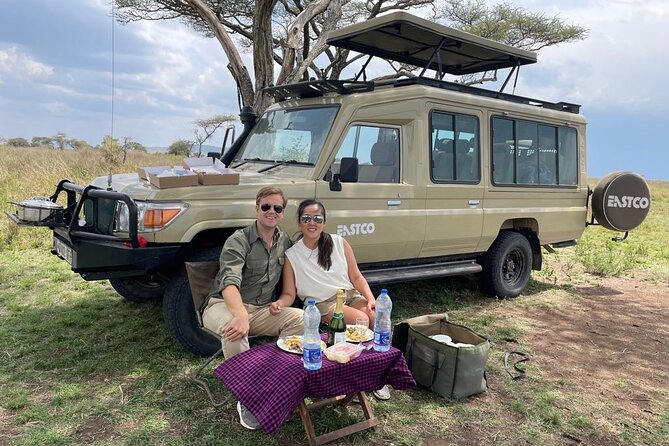
REVIEW · ARUSHA
7-Day Great Migration Safari
The big appeal here is the sweep of the route. In seven days, you move from Tarangire’s elephant country to the open Serengeti, then down into the wildlife-packed Ngorongoro Crater. That is a lot of Tanzania in one well-shaped trip.
I like the private format, since your group can set the pace for game drives and meals. I also like the two full days in Serengeti, where you have time to search for predators instead of simply passing through. The main caution is that the title suggests the Great Migration, but no migration season or river-crossing location is promised, so ask about timing before you pay.
Key points to know before you book
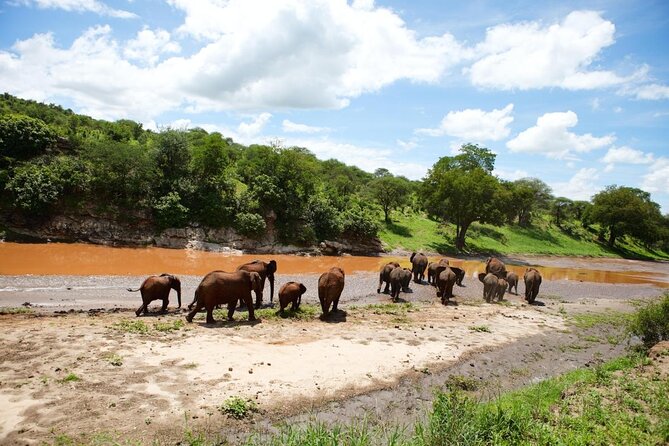
- Four major wildlife areas in seven days: Tarangire, Lake Manyara, Serengeti, and Ngorongoro Crater.
- Two full Serengeti days: You can choose picnic-lunch game drives or split the day into morning and afternoon drives.
- Private touring: Only your group participates, with pickup in Arusha and return to the same meeting point.
- Strong guide reputation: Wilson, Emmanuel, Mathieu, Jamal, and other EastCo guides are praised for animal spotting, clear explanations, and careful driving.
- Lodge and tented-camp variety: The plan includes Boundary Hill Lodge, Rhotia Valley Lodge, Serengeti Pure Luxury Camp, and Ngorongoro Sopa Lodge.
- Extra activities cost more: A Tarangire night drive is $30 per adult, and a crater-rim walk is $30 per adult.
Why this seven-day route works
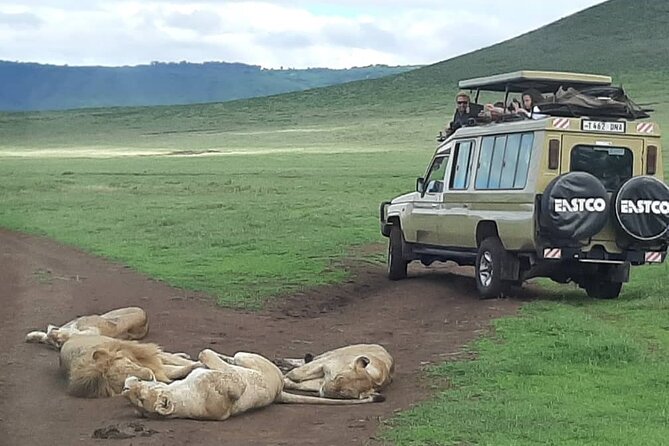
This safari is built around northern Tanzania’s greatest hits, but the order makes sense. You begin near Arusha, visit two smaller parks, spend three nights in the Serengeti area, and finish with the Ngorongoro Crater before returning to town.
That pacing matters. A shorter safari can feel like a long transfer with occasional wildlife stops. Here, the two full Serengeti days give you room to wait, watch, and try again when the animals are not right beside the road.
You should still expect several long driving days. The route covers large distances, and the plan often combines travel with game viewing. That is part of the appeal, but it means this trip suits you best if you enjoy being out for much of the day and do not need a slow, resort-style holiday.
The trip costs $3,850 per person. That is a serious price, but it includes national park fees, taxes, bottled water, six breakfasts, six lunches, seven dinners, private touring, and the listed accommodation. You are paying for access to several major parks and for a private guide rather than joining a large shared group.
Alcohol, visas, tips, and unspecified food and drinks are extra. Ask for a final cost breakdown before departure, especially if you want night drives, special walks, or drinks at the lodges.
A few more safaris around Arusha worth a look
- 7-Day Premium Luxury Tanzania Safari All-Inclusive
★ 5.0 · 426 reviews - Group Safari 7 Days in Tanzania’s Main Parks
★ 5.0 · 240 reviews - 7 Days Tanganyika Wilderness Safari
★ 5.0 · 159 reviews
Day 1: Elephants and baobabs in Tarangire
You leave Arusha at 8:00 a.m. with a picnic lunch and head toward Tarangire National Park. The afternoon is spent on a game drive while making your way toward Boundary Hill Lodge for dinner and the night.
Tarangire is a fine first park because it gives you an immediate sense of northern Tanzania’s wildlife. The park is especially associated with elephants, and the tour description rightly calls attention to its elephant country. You may also find the scenery more varied than the open plains later in the trip.
The first day combines road travel, lunch, and game viewing, so it is not a quiet arrival day. Bring a small day bag with sunscreen, a hat, and something warm for the evening. The safari operates in all weather, and conditions can change quickly.
A night drive is available for $30 per adult and $20 per child. This is a useful option if you want to see how the park feels after dark, but confirm the timing and details with the operator before assuming it fits your schedule. It is an extra activity, not part of the base price.
Day 2: Lake Manyara below the Rift Valley
The second day begins with a morning walk before you depart for Lake Manyara National Park. After a picnic lunch and game viewing, you climb toward the Great Rift Valley for dinner and an overnight stay at Rhotia Valley Lodge.
Lake Manyara gives the route a change of scale. Tarangire is known for its broad wildlife areas and elephants, while Manyara offers a different park setting and a shorter, more concentrated visit. The day is not only about animals. The rise toward the Rift Valley adds a strong geographic shift, with the high ground providing a clear contrast to the lower park.
This is also one of the busier days in practical terms. You have a morning walk, a park visit, lunch, and an onward transfer. If you prefer leisurely lodge mornings, this schedule may feel brisk. If you want variety, it is a good use of the day.
Rhotia Valley Lodge places you near Karatu, a useful base for the road toward Serengeti and Ngorongoro. The supplied plan does not describe room types or specific lodge facilities, so ask what category is included if accommodation standards are important to you.
Day 3: Crossing into the Serengeti
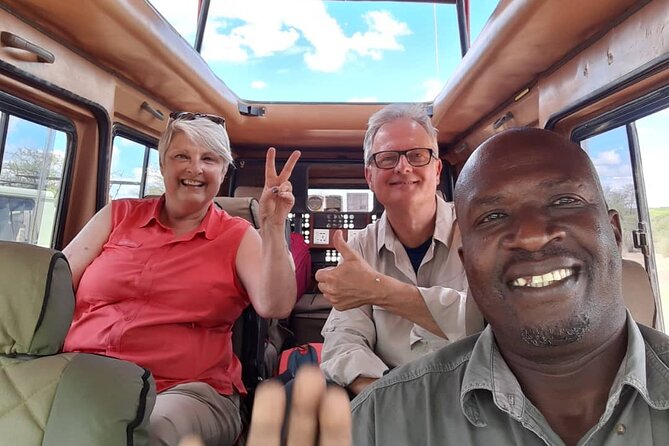
You leave Karatu with a picnic lunch and travel toward Serengeti National Park. Game viewing begins en route, and you continue toward Seronera for dinner and an overnight stay at Serengeti Pure Luxury Camp.
This is the transition from the northern parks to the safari’s main event. The drive takes time, but the route is not dead mileage. You are scheduled to view wildlife along the way, which helps turn the transfer into part of the experience.
Seronera is a practical base for the central Serengeti portion of this trip. You stay at the same camp for three nights, which is a welcome change after moving between properties on the first two days. Unpacking once gives you more time to focus on the park.
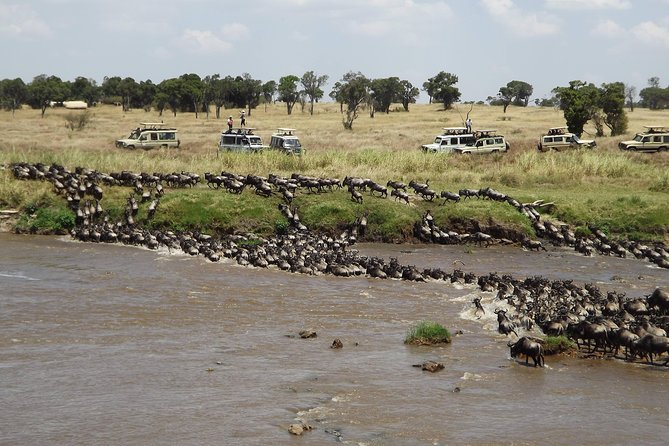
The name Great Migration needs a little context. The migration moves through a large part of the Serengeti and Kenya at different times of year. This seven-day plan does not specify travel dates, the migration location, or a Mara River crossing. If seeing wildebeest movement is your main goal, ask the company to explain where the herds are expected to be during your dates.
Same country, a different kind of drive:
- Balloon Safari & Bush Breakfast in Serengeti – Miracle Experience
★ 5.0 · 1,646 reviews - 4 Days Group Camping Safari
★ 5.0 · 1,101 reviews - 5 Days Group Camping Safari
★ 5.0 · 730 reviews - 3 Days Serengeti & Ngorongoro Group Camping Safari
★ 5.0 · 574 reviews
Days 4 and 5: Two full days in the Serengeti
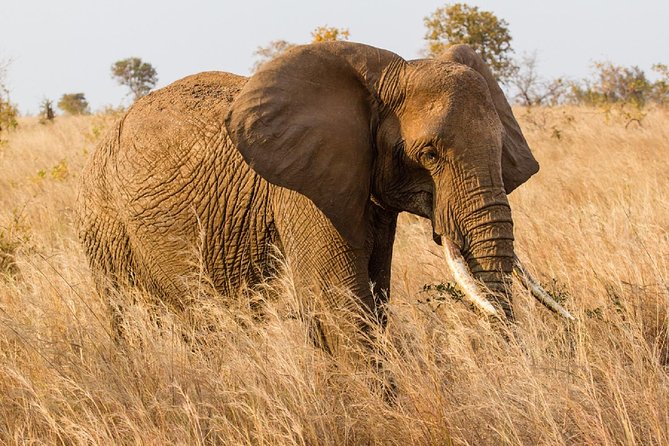
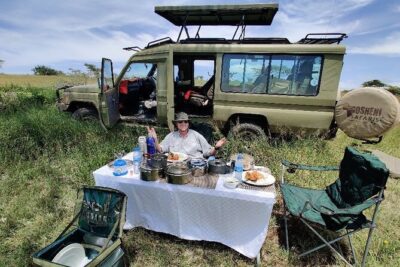
The fourth and fifth days are reserved for full-day Serengeti exploration. You can take a picnic lunch and spend the day out, or return to camp for lunch between an early morning and late afternoon game drive.
This flexibility is one of the strongest parts of the program. A picnic day lets you reach farther areas and stay with an interesting sighting without breaking for lunch. The split-drive option gives you a slower middle of the day and two good chances to be out when animals are active.
The choice should depend on your group. Families with children may prefer returning to camp. Dedicated photographers may favor the full-day option, since staying out can give you more time to wait for a better position or a change in animal behavior. Ask your guide about the day’s plan each morning rather than treating the schedule as fixed.
The quality of the guide matters greatly here. Past guests have singled out guides including Wilson, Emmanuel, and Mathieu for explaining animal behavior and spotting game at a distance. One group credited Mathieu with helping them find the Big Five and with locating an unusually close sighting. That does not guarantee a particular animal, but it shows why a sharp guide can make a real difference in the Serengeti.
The Serengeti is also where patience pays. You may spend time watching a quiet stretch of grass before anything happens. That is not wasted time. Wildlife viewing works best when you allow the guide to read tracks, movement, calls, and the behavior of other vehicles.
Three nights at Serengeti Pure Luxury Camp give you a stable base, but the word camp should not lead you to expect a city hotel. Ask about electricity, bathrooms, charging, and Wi-Fi if those details matter to you. The supplied information confirms the property and meals, but not its full facilities.
Day 6: Ngorongoro high country
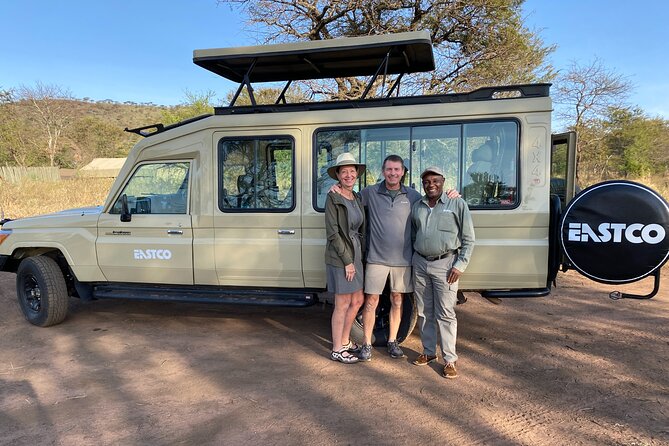
You leave Serengeti with a picnic lunch and continue toward the Ngorongoro Conservation Area. Game viewing takes place along the way, followed by dinner and an overnight stay at Ngorongoro Sopa Lodge.
This day links two very different places. Serengeti gives you wide open country and long searches for wildlife. Ngorongoro brings you into a highland setting above the crater, where the air and scenery change before the next morning’s descent.
A crater-rim walk with an NCCA guide is available for $30 per adult and $20 per child. This is a worthwhile add-on if you want more than vehicle-based viewing and have enough energy after the transfer. It is not included, so confirm how much walking is involved and when it will take place.
The overnight at Ngorongoro Sopa Lodge is useful for an early start. The final day begins with a descent to the crater floor, and staying nearby avoids adding a long approach from Arusha.
Day 7: The Ngorongoro Crater finale
You descend into Ngorongoro Crater early in the morning for game viewing. A picnic lunch is included, and after the crater visit you begin the return drive to Arusha, arriving in the late afternoon.
The crater is a powerful final stop because the wildlife viewing takes place within a clearly defined natural bowl. You are not simply crossing another open plain. The descent itself creates a sense of arrival, and the six-hour visit gives you a substantial amount of time on the floor before the drive back.
This is still a long final day. You should not plan an important evening flight or tightly timed connection without checking the expected return time. The tour ends back at the Arusha meeting point, but traffic, park conditions, and the pace of the morning can affect arrival.
The final day includes the park admission ticket, while national park fees are listed as included in the overall price. That is helpful when comparing this trip with cheaper-looking packages that add major fees later.
Guides make the difference
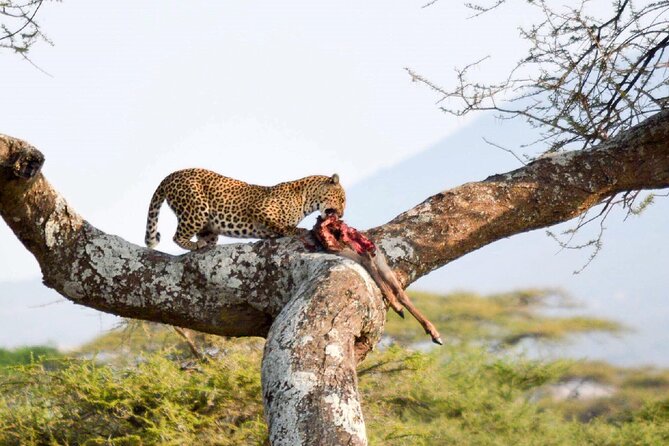
A private safari is only as good as the person behind the wheel and the person interpreting what you see. The strongest feedback connected the experience with individual guides, especially Wilson, Emmanuel, Mathieu, Jamal, and Bernard.
You should ask who is assigned to your group before departure. The company has been praised for guides who explain animals clearly, spot distant wildlife, and create an easy atmosphere for families. One account specifically described grandchildren enjoying the guides, while honeymoon couples praised the planning and communication around their trips.
Do not be shy about explaining your interests. Tell the guide if you care most about photography, birds, predators, elephants, the migration, or a relaxed pace. The two flexible Serengeti days are best used when your priorities are clear.
Who will get the most from this safari
I would choose this trip if you want the classic northern Tanzania circuit without arranging separate transfers and park entries yourself. It works especially well for first-time safari visitors, families with older children, couples, and small private groups.
It also suits photographers who want two complete Serengeti days and the option of long picnic-lunch drives. The private format gives you more say over timing than a shared vehicle normally allows.
I would think twice if you dislike long drives, want a single luxury property for the whole holiday, or need a guaranteed migration crossing. You also need to be comfortable with early starts, outdoor conditions, and changing weather.
Children must be accompanied by an adult. A child rate applies only when sharing with two paying adults. Vegetarian meals are available, and you should provide dietary requirements when booking.
What is included, and what is not
The package includes:
- National park fees
- Taxes, fees, and handling charges
- Private touring for your group
- The listed accommodation
- Six breakfasts
- Six lunches
- Seven dinners
- Bottled water
- Pickup in Arusha and return to the meeting point
You pay separately for alcoholic drinks, visas, tips, and food or drinks not specifically included. The listing also identifies optional night-drive and crater-rim-walk charges.
The meal count is worth checking before departure. Seven dinners are listed, while breakfast and lunch are listed six times, which fits a seven-day schedule with some meals handled differently. Ask what is supplied on every travel day so there are no surprises.
Free cancellation is available up to 24 hours before the 8:00 a.m. start time. Changes or cancellations inside that window are not accepted for a refund.
Should you book it?
Book this safari if you want a private, full-service introduction to northern Tanzania with two proper days in the Serengeti and a strong finish at Ngorongoro Crater. The route is broad, the major park fees are included, and the guide-centered approach has earned especially warm praise for animal spotting and family-friendly service.
Before paying, confirm your exact accommodation category, assigned guide, vehicle details, and the likely migration location for your dates. If the operator can match the timing to your wildlife priorities, $3,850 can be fair value for a private seven-day circuit. If you need a guaranteed river crossing or a slower luxury holiday, ask for a more specialized plan.
FAQ
Where does the safari start and finish?
It starts in Arusha at 8:00 a.m. and ends back at the same Arusha meeting point in the late afternoon of Day 7.
How long is the safari?
The experience lasts approximately seven days.
Is this a private tour?
Yes. Only your group participates in the activity.
Which parks and protected areas are included?
The route includes Tarangire National Park, Lake Manyara National Park, Serengeti National Park, the Ngorongoro Conservation Area, and Ngorongoro Crater.
Are park fees included?
Yes. National park fees are included, along with all taxes, fees, and handling charges.
Are meals included?
Yes. The package lists six breakfasts, six lunches, and seven dinners. Bottled water is also included.
Are the night drive and crater-rim walk included?
No. The Tarangire night drive costs $30 per adult and $20 per child. The Ngorongoro crater-rim walk with an NCCA guide costs $30 per adult and $20 per child.
Can children join the safari?
Yes, but children must be accompanied by an adult. The child rate applies only when sharing with two paying adults.
Just added around Arusha
- 6 days Tanzania budget safari★ 5.0 · 65 reviews
- 7 days great migration safari★ 5.0 · 77 reviews
- serengeti, ngorongoro & tarangire 5days private tour★ 5.0 · 77 reviews
- 5 days safari, hiking & culture (Serengeti & kilimanjaro)★ 5.0 · 27 reviews
- serengeti & ngorongoro 3 days private tour★ 5.0 · 15 reviews
- 5-Day Mid-Range Safari in Tanzania★ 5.0 · 33 reviews
- 4 days safari★ 5.0 · 34 reviews
- serengeti, ngorongoro & tarangire 4 days private tour★ 5.0 · 18 reviews
Arusha Safaris, compared.
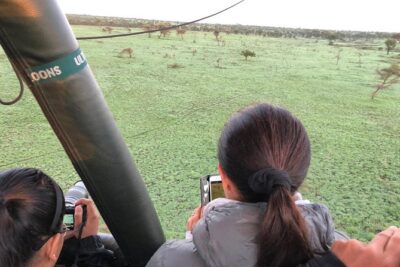
Balloon Safari & Bush Breakfast in Serengeti – Miracle Experience
Read our review →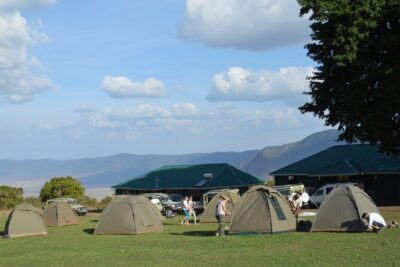
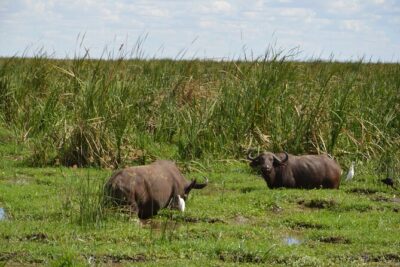
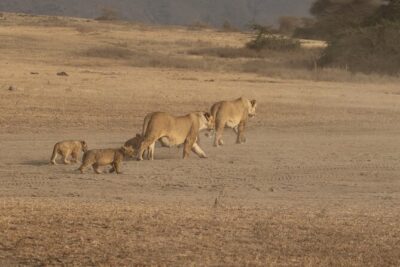
3 Days Serengeti & Ngorongoro Group Camping Safari
Read our review →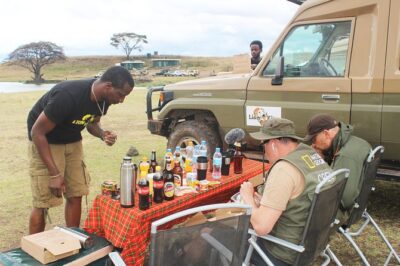
7-Day Premium Luxury Tanzania Safari All-Inclusive
Read our review →
5-Day Highlights mid-Range Crater, Serengeti, Tarangire
Read our review →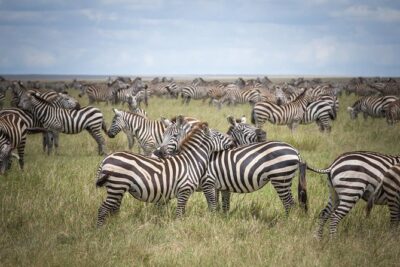
8 Days Great Wildebeest Calving Migration Safari from Arusha
Read our review →Browse the lists this tour appears in