
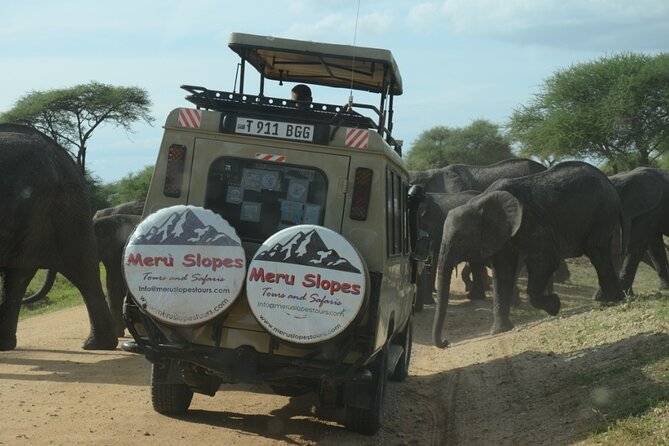
REVIEW · ARUSHA
5 Days Best of Northern Circuit Budget Safari in Tanzania
This five-day safari packs Tanzania’s biggest wildlife names into one hard-driving circuit: Tarangire, Serengeti, Ngorongoro Crater, and Lake Manyara. You get elephants beneath baobabs, sunrise in the Serengeti, a crater-floor game drive, a village walk, and a final search for tree-climbing lions.
I like two things here. First, the price of $1,254 includes park fees, meals, water, transport, and camping, so the main costs are bundled. Second, the guides and cooks are a real part of the experience. Jacob, Noro, Mudy, and chef Dula are among the team members praised for animal spotting, good spirits, and fresh food. The tradeoff is a fast schedule with long drives and basic camping, so this suits you better than a slow, polished lodge safari only if you are ready for early starts and simple nights.
Key points at a glance
- Four major parks in five days: You visit Tarangire, Serengeti, Ngorongoro Crater, and Lake Manyara.
- A genuine budget camping format: Meals, water, park entry, and safari transport are included, while camp comfort remains basic.
- Strong guide involvement: Guides such as Jacob, Noro, and Mudy are praised for spotting animals and explaining what you see.
- Big Five potential: Ngorongoro and Serengeti give you a good chance to see lion, leopard, elephant, buffalo, and rhino, though wildlife is never guaranteed.
- More than game drives: The plan adds Mto wa Mbu village, a Maasai boma visit, local food, banana plantations, and a hot spring.
- A sociable setup: The safari is described as a joining-group trip, with vehicles commonly carrying up to six people and window seats.
The four-park route gives you Tanzania’s greatest hits
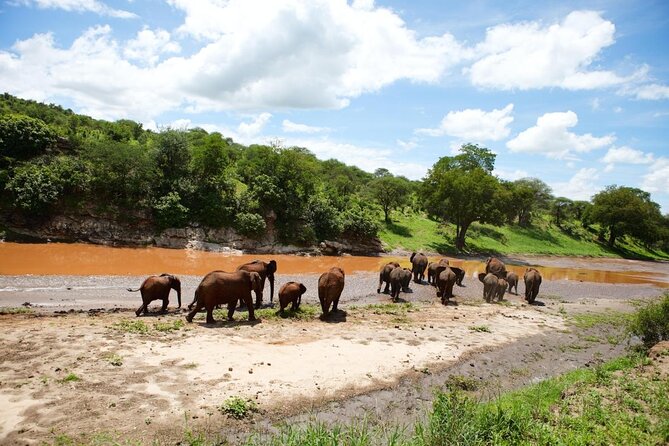
The route is ambitious. In five days, you move from the dry woodland of Tarangire to the open grasslands of the Serengeti, down into Ngorongoro Crater, and across Lake Manyara’s forest and lakeshore habitats.
That variety is the main reason to choose this trip. You are not spending five days in one park hoping the scenery changes. Each stop has a different feel and a different list of animals. The cost is time on the road. Day two, in particular, combines breakfast, packing, an en-route game drive, Rift Valley views, a glimpse of Ngorongoro Crater, and arrival in the Serengeti around mid-afternoon.
I would choose this itinerary if you have limited time in Tanzania and want a broad first look. If you prefer long stays, slow mornings, or a luxury camp with private space, this plan will feel rushed.
A few more safaris around Arusha worth a look
- 5 Days Group Camping Safari
★ 5.0 · 730 reviews - 5-Day Highlights mid-Range Crater, Serengeti, Tarangire
★ 5.0 · 296 reviews - 5 Days Camping Tarangire, Serengeti & Ngorongoro crater & Visiting Maasai
★ 5.0 · 229 reviews
Day one: Tarangire brings elephants and baobabs
Your safari begins with pickup from your Arusha hotel, scheduled around 8 a.m. The drive to Tarangire takes about three hours. The park lies roughly 115 kilometers from Arusha and covers about 2,800 square kilometers.
Tarangire River is the park’s central water source, and wildlife gathers around it, especially during dry periods. The park is especially known for large elephant groups, giant baobab trees, and pythons that can climb trees. You may also see lions, leopards, and other plains animals during the full-day game drive.
I like Tarangire as an opening act because it gives you an immediate sense of scale without requiring the longest drive of the trip. The baobabs also make the first day visually different from what follows in the Serengeti.
The day is listed at about eight hours, followed by dinner and an overnight stay at Jambo Lodge. The long game drive is useful for maximizing time in the park, but you should expect a tiring first day. Bring a hat, sunglasses, and a small day bag so you do not need to rummage through larger luggage during stops.
Day two: The road to Serengeti is part of the safari
After breakfast, you pack your luggage into the safari vehicle and begin the journey toward Serengeti. Lunch is carried in the vehicle, and the route includes views of the Rift Valley and Ngorongoro Crater.
You reach the Serengeti at around 3 p.m., leaving time for an evening game drive in the central Seronera area. This is a sensible use of the afternoon. Instead of treating the transfer as dead time, the guide can begin looking for animals as soon as you enter the park.
The evening drive also gives you a chance to watch the sun go down across the grasslands before heading to Seronera campsite for dinner and the night. Camping inside Serengeti is valuable because you are already in the park when the next day begins. You are not starting with another long transfer from outside the gates.
Still, this is one of the more demanding days. You will spend much of it seated in the vehicle, with luggage and lunch aboard. A safari is not a road trip with frequent cafés and rest areas. Carry any personal snacks you need, though five lunches, five breakfasts, five dinners, and unlimited drinking water are included.
Day three: A Serengeti sunrise, then a long move south
The morning begins early, around 5:45 a.m., with breakfast and a sunrise game drive. You continue exploring until about 11:30 a.m., then return to camp for a hot lunch and packing.
The early start is worth taking seriously. Morning light can make the Serengeti feel entirely different from the previous evening, and the plan gives you several hours for wildlife viewing before the heat of the day. Your guide will be the key person here, using experience and communication with other vehicles to help locate animals.
After lunch, you continue with a game drive while heading toward Ngorongoro. The night is planned at Simba campsite near the crater. This is another day with plenty of driving, but it connects the two headline parks without giving up a second safari morning.
The practical point is simple: keep your luggage compact and easy to load. You may be unpacking and repacking several times. A soft bag is more useful than a large rigid suitcase in a vehicle carrying camping gear and up to six people.
Same country, a different kind of drive:
- Balloon Safari & Bush Breakfast in Serengeti – Miracle Experience
★ 5.0 · 1,646 reviews - 4 Days Group Camping Safari
★ 5.0 · 1,101 reviews - 3 Days Serengeti & Ngorongoro Group Camping Safari
★ 5.0 · 574 reviews - 7-Day Premium Luxury Tanzania Safari All-Inclusive
★ 5.0 · 426 reviews
Day four: Ngorongoro Crater is the wildlife centerpiece
You rise around 5:30 a.m. for breakfast, then descend to the floor of Ngorongoro Crater. The crater is often called the Garden of Eden, and the attraction is easy to understand once you are among its concentrated wildlife areas.
The schedule allows six to seven hours on the crater floor. You may see members of the Big Five, many bird species, and black rhino. Lunch is taken inside the crater, with nature around you and the possibility of seeing flamingos near the water.
This is likely to be the strongest single day for wildlife variety. The enclosed crater setting can make animals easier to find than in the wider Serengeti, although no guide can promise a particular sighting. The chance to see black rhino is one of the most important reasons to keep Ngorongoro on the route.
There is also a physical cost. The crater descent and ascent add road time, and you will have already spent several early mornings in a row. If you tire easily, tell your guide. The plan is full, and a little communication can make the day more comfortable.
The accommodation details for this night should be confirmed before departure. The schedule names Simba campsite before the crater visit and later refers to Marera View Lodge and Jambo Lodge in connection with dinner and overnight arrangements. That may reflect different stages of the route or a change in accommodation, but the written plan is not perfectly consistent.
Mto wa Mbu adds local life after the crater
After the crater visit, the itinerary includes a walking tour in Mto wa Mbu village. This is a useful change of pace after hours spent watching animals from a vehicle.
The cultural program includes local community projects, banana plantations, traditional ways of life, food tasting, and opportunities to walk, hike, or cycle. The stated visit lasts about two hours, so you should expect an introduction rather than an all-day village study.
I like this addition because it places the parks in a wider setting. Tanzania is not only about lions and elephants. A village visit gives you a chance to see how local people live and how tourism can connect with community activities.
The timing matters. Since the village visit follows the crater, you may be ready to stretch your legs. Wear comfortable shoes and keep a little flexibility in your expectations. This is a structured cultural stop, not an unplanned private visit.
Day five: Lake Manyara ends the trip with variety
After breakfast, you head to Lake Manyara National Park for a full-day game drive. The park is famous for tree-climbing lions, and the lake attracts flamingos drawn by its algae. The plan also includes a hot spring.
Lake Manyara gives you a different setting from the Serengeti and Ngorongoro. You may pass through more wooded areas and spend time near the water, making this a good final park for birdlife and scenery as well as mammals.
The day also includes a Maasai boma visit. You learn about daily life, culture, and traditions before returning to Arusha for dinner and an overnight stay. Because the itinerary mentions dinner and an overnight in Arusha, confirm exactly what lodging is included for the final night.
The final day is long, listed at roughly eight hours, and it is not simply a short ride back to town. You should plan for another full day in the vehicle. That is a fair trade if Lake Manyara is important to you, but you may prefer a shorter return if you have a flight soon afterward.
Camping is basic, but the essentials are covered
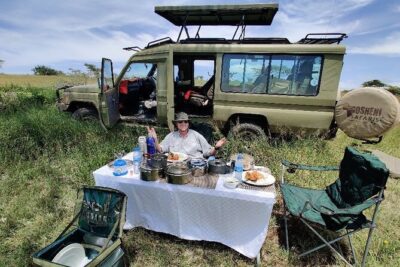
This is a budget camping safari, not a luxury camping trip. The supplied information describes basic camping with what you need, and the package includes park entry fees, private transportation, WiFi on board, unlimited drinking water, and all listed meals.
The camping format helps keep the price manageable while placing you close to the parks. It also adds a sense of adventure that a lodge-based itinerary may not provide. You will likely spend less time behind hotel walls and more time focused on the next morning’s drive.
The tradeoff is comfort. Basic bathrooms and lodge facilities have been noted as areas that may need some attention. Do not book this expecting polished rooms or resort-style service. Pack a headlamp, personal toiletries, a warm layer for early mornings, and a small towel if you like to be prepared, but remember that only details specifically promised by the operator are guaranteed.
Freshly cooked food is one of the strongest practical features. Chef Dula is praised by name, and meals are included throughout the five days. Unlimited water is also important in a hot, dusty environment, especially on the long transfer days.
Guides can make or break the safari
Your guide controls the pace, the route, and much of your chance of finding animals. Names associated with this safari include Jacob, Noro, and Mudy. Jacob is praised for spotting animals and explaining what you are seeing, while Mudy is described as a strong driver and animal spotter. Noro is also singled out for making the trip enjoyable.
That does not mean you should expect a particular guide. Staff assignments can change. It does mean the operator has a record of guides who take the interpretive side of the job seriously.
A good guide does more than point at a lion. You want clear explanations, safe driving, patience at sightings, and help with the practical parts of camp life. Communication before arrival is also useful. The company has arranged airport pickups and helped with small arrival needs such as setting up a SIM card for some bookings, though you should confirm any airport transfer separately before you rely on it.
Group size and vehicle space need clarification
The experience is described as a private activity, but the safari itself is also presented as a joining-group camping trip. The clearest practical information says vehicles commonly carry six people, with window seats for everyone. Some departures may also combine people connected with different companies to fill available seats.
That arrangement is normal for a budget safari and helps bring the price down. It can also make the journey more social, with people from different countries sharing meals, sightings, and camp routines.
The downside is less control. You may not choose every stop or spend as long at every animal sighting as you would on a fully private departure. Ask the operator before booking whether your departure is exclusively for your party or shared with others, and ask how many people will be in the vehicle.
Is $1,254 good value?
At $1,254, this is not a cheap day trip, but the cost covers a lot: four major parks, transport, park fees, camping, five breakfasts, five lunches, five dinners, and drinking water. Those included items matter because park fees and long-distance vehicle costs can quickly add up on a Northern Circuit safari.
The strongest value comes from the route. You get the Serengeti and Ngorongoro, the two places many people most want to see, while adding Tarangire and Lake Manyara. You also receive two cultural elements, Mto wa Mbu and a Maasai boma visit.
The price is less attractive if you want private rooms, a slower pace, or a vehicle reserved only for your own party. Visa costs, tips, and travel insurance are not included. Add those to your real budget, and confirm whether airport transfers and any extra Arusha nights are included for your booking.
Who should book this safari?
I would recommend it to a first-time Tanzania visitor with five days available, a strong interest in wildlife, and a willingness to camp. Families with older children can enjoy it, and the safari has worked well for children around age 13. Couples can also choose it for a honeymoon if they value the wildlife more than private-lodge comfort.
I would hesitate if you dislike early breakfasts, long drives, shared vehicles, or basic accommodation. The itinerary is packed. You are gaining four parks and several cultural stops, but you are giving up spare time.
The trip is also less suitable if one particular event is essential. For example, the route may pass through areas connected with the wildebeest migration, but a river crossing is never guaranteed. The same applies to tree-climbing lions, black rhino, leopard, and the full Big Five.
Final verdict: a strong first safari with a busy rhythm
I would book this tour if my priority were seeing as much of Tanzania’s Northern Circuit as possible within five days. The combination of parks is excellent, meals and fees are bundled, and the guide and cooking teams appear to add real value.
I would not book it without first confirming the group size, exact accommodation, final-night arrangements, and airport pickup details. If those points are clear and you accept basic camping, the safari offers a practical route through Tanzania’s major wildlife areas without the price of a lodge-focused trip.
FAQ
Where does the safari begin?
The safari begins in Arusha, with pickup offered from an Arusha hotel. The listed meeting time is 7 a.m., while the day-one itinerary describes pickup around 8 a.m., so confirm the exact pickup time for your booking.
Which national parks are included?
The route includes Tarangire National Park, Serengeti National Park, Ngorongoro Crater, and Lake Manyara National Park.
Are meals included?
Yes. The package includes five breakfasts, five lunches, and five dinners.
Is drinking water included?
Yes. Unlimited drinking water is included during the safari.
Is this a camping safari?
Yes. It is described as a budget camping safari, with some nights at campsites and other nights connected with lodges or lodge-style accommodation in the itinerary.
How many people are in the safari vehicle?
The operator states that joining-group vehicles commonly carry six people, with window seats for everyone. Confirm the exact group size for your departure because the itinerary is also described as a private activity.
Can I see the Big Five?
The itinerary specifically says you may see all of the Big Five in Ngorongoro Crater, and the Serengeti and Tarangire also offer opportunities. Wildlife sightings are not guaranteed.
What is the cancellation policy?
You can receive a full refund if you cancel at least 24 hours before the experience begins. Cancellations or changes made within 24 hours are not refunded, and poor weather may result in a new date or a full refund.
Just added around Arusha
- 6 days Tanzania budget safari★ 5.0 · 65 reviews
- 7 days great migration safari★ 5.0 · 77 reviews
- serengeti, ngorongoro & tarangire 5days private tour★ 5.0 · 77 reviews
- 5 days safari, hiking & culture (Serengeti & kilimanjaro)★ 5.0 · 27 reviews
- 5-Day Mid-Range Safari in Tanzania★ 5.0 · 33 reviews
- 4 days safari★ 5.0 · 34 reviews
- serengeti & ngorongoro 3 days private tour★ 5.0 · 15 reviews
- serengeti, ngorongoro & tarangire 4 days private tour★ 5.0 · 18 reviews
Arusha Safaris, compared.
Balloon Safari & Bush Breakfast in Serengeti – Miracle Experience
Read our review →
3 Days Serengeti & Ngorongoro Group Camping Safari
Read our review →
7-Day Premium Luxury Tanzania Safari All-Inclusive
Read our review →
5-Day Highlights mid-Range Crater, Serengeti, Tarangire
Read our review →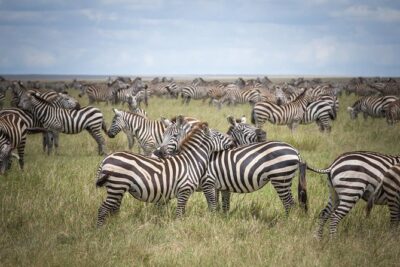
8 Days Great Wildebeest Calving Migration Safari from Arusha
Read our review →Browse the lists this tour appears in