
REVIEW · ARUSHA
4 Days Tanzania Safari – Tarangire, Serengeti And Ngorongoro
Tarangire’s elephant herds, the Serengeti’s open plains, and Ngorongoro’s crowded crater floor make this a fast, wildlife-heavy safari for anyone short on time. In four days, you cover three of northern Tanzania’s best-known wildlife areas, with long drives linking them.
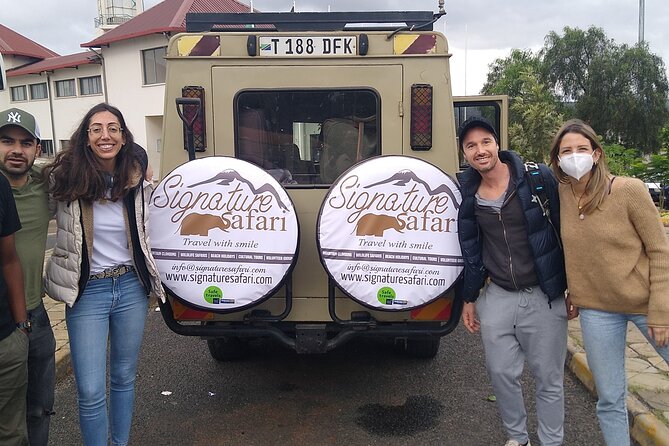
I like the small maximum group size of two and the fact that hotel pickup, transport, meals, and camping are arranged together. I also like the range of guiding experience available, including Spanish-speaking guide Sulley and guides such as Amani, Safiri, Erick, and Malaki. The main drawback is the pace: days of 10 or 11 hours, rough park roads, and three different areas leave little time to rest.
Key points to know before booking
- Three major wildlife areas in four days: Tarangire, Serengeti, and Ngorongoro Crater each offer a different setting and style of game viewing.
- Small-group format: The stated maximum is two people, which gives you more room in the safari vehicle and a more personal day with the guide.
- Camping is part of the adventure: Nights are listed at Kizumba Camp, Pimbi Campsite, and Simba Campsite, with the final night in a hotel in Arusha.
- Long driving days: Plan for about 10 hours on Days 1, 2, and 4, and about 11 hours on Day 3.
- Good Big Five potential: Lions, elephants, buffalo, and other major species are realistic possibilities, but no safari can promise every animal.
- Confirm the start time: The booking information gives a start time of 12:00 am, while the itinerary says pickup after breakfast. Ask for the exact pickup hour before you go.
Why this four-day route works
This route is built for you if Tanzania is one part of a larger trip, perhaps combined with Zanzibar, and you want a taste of the country’s best-known parks without committing to a week on safari. It covers a lot of ground, but the reward is variety.
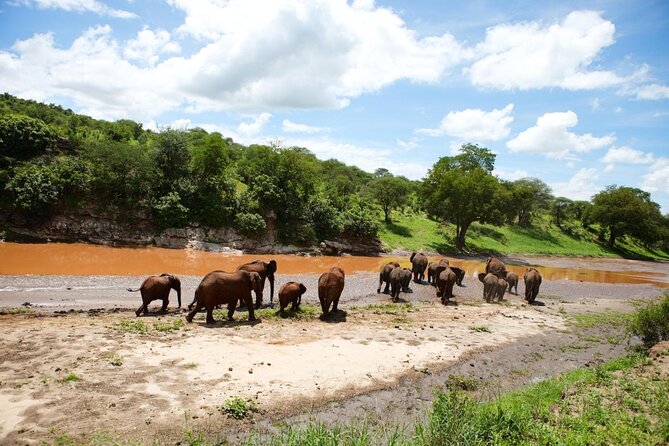
Tarangire is known for large elephant groups and distinctive baobab country. Serengeti gives you wide-open game-viewing country and the possibility of following migrating wildebeest and zebra. Ngorongoro Crater brings you into a compact wildlife area where animals gather around permanent water and grazing.
The cost is listed at $890.95 per person. That is not a bare park visit. The package includes hotel pickup, transport, four breakfasts and lunches, three dinners, park access as described, camping arrangements, and the return to Arusha. For a private or two-person safari, that makes the price easier to assess, though you should confirm exactly which accommodation category and park fees are included before paying.
The tradeoff is comfort and time. You will spend much of each day in the vehicle, and the itinerary uses campsites rather than a fully lodge-based plan. If you want slow mornings, plush rooms, or several hours beside a swimming pool, this is the wrong shape of safari. If you want as much wildlife as possible in a short window, the schedule makes sense.
A few more safaris around Arusha worth a look
- 4 Days Group Camping Safari
★ 5.0 · 1,101 reviews - 4 Days Join Group tour Tarangire Serengeti and Ngorongoro crater
★ 5.0 · 219 reviews - 4-Day Safari from Arusha: Tarangire, Serengeti and Ngorongoro
★ 5.0 · 173 reviews
Day 1: Elephants and baobabs in Tarangire
After pickup in Arusha, you drive toward Tarangire National Park with a picnic lunch. The first day is listed at about 10 hours, so this is not a gentle introduction with lots of free time. It is a full park day followed by an evening transfer to Kizumba Camp.
Tarangire’s main draw is its elephants. The itinerary points to herds of 10 to 20 animals, sometimes reaching 30. That matters because elephant viewing here can feel especially social. You may see adults moving together, younger animals staying close, and groups crossing the road or feeding near trees.
Keep looking upward. The guide specifically notes the possibility of leopard sightings in trees. Leopards are never guaranteed, and they can be difficult to spot even when your guide knows the area well, but a tree check is worthwhile. The park can also produce buffalo, impala, zebra, warthog, giraffe, and other wildlife.
The picnic lunch keeps the game drive moving, but it also means you should arrive ready for a long day outdoors. Carry water, sun protection, and a light layer. The exact camping setup is not described in detail, so ask whether tents are already pitched, what bedding is supplied, and what washing facilities are available.
Day 2: From the Rift Valley toward the Serengeti
Day 2 begins with breakfast and packing the camping gear into the safari vehicle. You travel through the Manyara area and along the Rift Valley escarpment before reaching Serengeti National Park later in the day.
This is one of the route’s less glamorous sections, but it gives you a sense of northern Tanzania’s changing terrain. You are moving from Tarangire toward the Serengeti rather than spending the whole day inside one park. The itinerary allows an optional Masai village visit along the way.
Treat that village stop as a separate cultural choice, not a guaranteed part of the core safari. If you are interested, ask what the visit includes and how long it lasts. A good cultural stop should be clear about what you are seeing and how the community benefits. If wildlife is your top priority, you may prefer to keep the route moving.
You reach the Serengeti by evening and continue with a game drive toward Pimbi Campsite. This timing can give you a first look at the park as the day cools, but it also means the Serengeti introduction is brief. The following day is where the route gives the park its real attention.
Day 3: Serengeti game viewing and the road to Ngorongoro
Day 3 is the longest listed day, at about 11 hours. After breakfast, you set out with a lunch box and spend the morning on a Serengeti game drive, with the route aimed toward the northern Serengeti and the migration.
The migration is a moving event, not a fixed attraction. The location of the animals depends on the season, recent rain, and grazing conditions. The itinerary says you will follow the migration where it is found, so you should understand that the northern Serengeti is a target area rather than a promise of a particular herd on a particular day.
The expected wildlife list is broad: wildebeest, zebra, topi, hartebeest, eland, antelope, hyena, and many birds. The open scenery is also part of the point. Serengeti game viewing is not only about ticking off species. It is about seeing animals in a large, uncluttered setting, with the position of the herd and the quality of the guide’s spotting both shaping the day.
After lunch, the drive continues toward the Serengeti gate and then onward to Ngorongoro. You spend the night at Simba Campsite. This is a demanding transfer after a full game drive, and it is the clearest example of the itinerary’s compressed design. You gain access to the crater for the next morning, but you give up a relaxed evening.
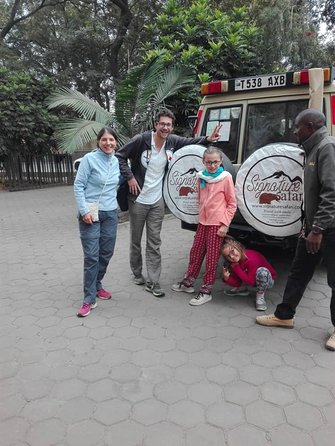
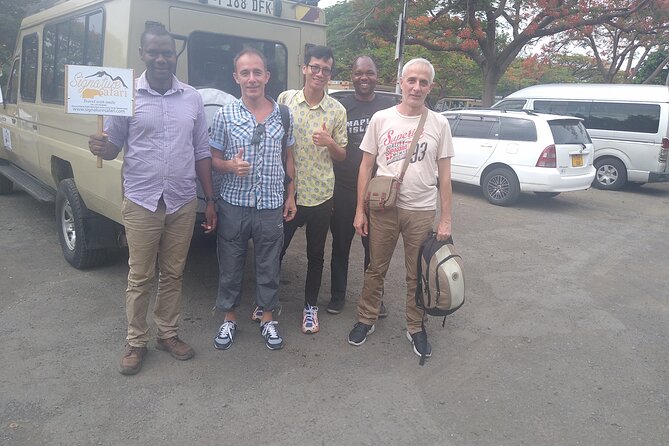
Past departures have included guides praised for animal knowledge, route choices, safe driving, and language skills. Amani, Safiri, Erick, and Malaki are among the guide names associated with this safari operation, while Sulley has led Spanish-language departures. Guide assignment can change, so if language or a particular guide matters to you, request confirmation before booking.
Same country, a different kind of drive:
- Balloon Safari & Bush Breakfast in Serengeti – Miracle Experience
★ 5.0 · 1,646 reviews - 5 Days Group Camping Safari
★ 5.0 · 730 reviews - 3 Days Serengeti & Ngorongoro Group Camping Safari
★ 5.0 · 574 reviews - 7-Day Premium Luxury Tanzania Safari All-Inclusive
★ 5.0 · 426 reviews
Day 4: Six hours inside Ngorongoro Crater
After breakfast, you descend into Ngorongoro Crater with a lunch box for more than six hours of game viewing. This is the route’s most concentrated wildlife day.
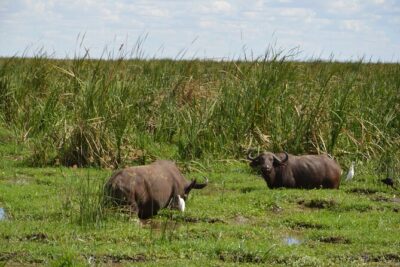
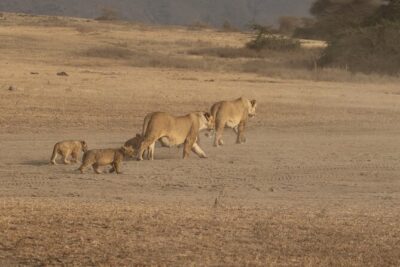
The crater floor has permanent water and grazing, which helps support a high density of animals. You may see wildebeest, zebra, buffalo, eland, warthog, hippo, and large elephants. Predator sightings may include lions, hyenas, jackals, cheetahs, and possibly leopard.
The black rhino is a major reason this stop matters. The crater is home to some of Tanzania’s remaining black rhinos, but they are rare and sightings are not assured. Your guide’s patience and spotting skill will matter more than any promise in a brochure.
Ngorongoro can feel very different from Serengeti. The crater’s enclosed setting brings many animals into one broad area, making sightings more concentrated. It can also feel busier, particularly around well-known wildlife sightings. That is the price of a short itinerary that aims to give you strong animal-viewing odds in a limited area.
Late in the afternoon, you drive back to Arusha for dinner and an overnight hotel stay. The itinerary lists dinner and a hotel that night, while the inclusions list three dinners total, so confirm whether that final meal is included or simply described as part of the evening plan.
Camping, food, and the daily rhythm
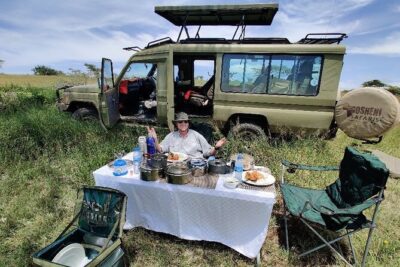
This is a camping safari, not simply a park tour with hotel rooms between drives. You spend the first three nights at Kizumba Camp, Pimbi Campsite, and Simba Campsite, then finish at a hotel in Arusha. The supplied information says camping equipment and meals are provided, but it does not spell out the tent type, bedding, bathroom setup, or electricity.
Past departures have praised the food, with cooks such as George and Rodrigue mentioned for preparing good meals. That is useful on a trip with early starts and long drives. Still, tell the operator about dietary needs before departure rather than assuming every request can be handled at camp.
The package lists four breakfasts and lunches and three dinners. Picnic or boxed lunches are part of the game-drive days, which saves time but gives you less flexibility about where and when you eat. You should also confirm what drinks, snacks, and bottled water are supplied.
Transport and group size
Pickup from your hotel in Arusha is provided, and the trip ends with a return to Arusha. Transport is important here because the parks are spread out and the route includes long stretches between them.
The maximum group size is listed as two people. That is a meaningful advantage. You have more space to watch from the vehicle, less need to compromise on where you stop, and a better chance to ask questions without competing with a full vehicle. It also makes the cost more understandable than it would be for a large shared group.
The stated start time of midnight needs attention. The written Day 1 plan says you are picked up after breakfast, which does not match a midnight departure. Ask the operator to confirm the local pickup time, hotel meeting point, and expected return time. This is a simple detail, but it can affect your sleep, breakfast, and first park arrival.
What past departures suggest about the service
The strongest pattern is careful organization. Airport transfers, hotel pickup, park transfers, accommodation, and meals have all been handled as part of the wider service on some departures. Guides have been praised for explaining animals clearly, choosing routes well, and keeping an eye on the group.
The safari vehicle has also been described as being in good condition, and the food has earned specific praise. Some departures used better-appointed accommodation, including Serengeti Heritage Luxury Camp, while this four-day plan lists campsites. Do not assume a luxury camp is included here. Ask for the exact names and class of your accommodation.
There is also one important warning in the available feedback: a Spanish-language account describes poor management. The details are incomplete, so I would not treat it as proof of a general problem. I would treat it as a reminder to get the route, group arrangement, accommodation, and inclusions in writing.
Who should book this safari
This trip suits you if:
- You have only four days for northern Tanzania.
- You want Tarangire, Serengeti, and Ngorongoro in one compact route.
- You are comfortable with tented camping and long vehicle days.
- You value a small group and direct access to a guide.
- You want strong chances at elephants, big cats, plains animals, and possibly rhino.
- You are willing to trade comfort and spare time for broader coverage.
It is less suitable if you dislike rough travel, need a slow pace, or want a guaranteed migration sighting. It may also feel too rushed if your ideal safari includes several days in one park, quiet time at camp, or a lodge-based stay every night.
Cancellation and booking details
You can cancel at least three full days before the local start time for a full refund. Cancellations within three days are not refunded, and late changes are not accepted. The experience may also be moved or refunded if poor weather affects the trip or if the minimum number of participants is not reached.
Confirmation is provided at booking, and the activity is described as suitable for most people. Ask your hotel to confirm pickup, and ask Signature Safari to confirm the exact camping gear, guide language, meal count, park fees, and final-night accommodation.
Should you book it?
I would book this safari if I had four days, wanted the classic northern Tanzania parks, and cared more about wildlife coverage than a relaxed schedule. The small two-person format, included transport and meals, and access to guides such as Amani, Safiri, Erick, Malaki, or Sulley make it a practical short safari.
I would not book it without clarifying the midnight start time and accommodation details. If those points match your expectations, the route gives you a strong first look at Tanzania: elephants in Tarangire, open Serengeti game country, and one concentrated wildlife day in Ngorongoro Crater.
FAQ
How long is the safari?
The safari lasts approximately four days. The itinerary lists about 10 hours for Days 1, 2, and 4, and about 11 hours for Day 3.
Which parks and wildlife areas are included?
The route includes Tarangire National Park, Serengeti National Park, and Ngorongoro Crater.
Is hotel pickup provided?
Yes. Pickup from your hotel is provided, and the route returns to Arusha on Day 4.
How many people can join the safari?
The stated maximum is two people.
Which meals are included?
The tour includes three dinners, four breakfasts, and four lunches. Several lunches are described as picnic or boxed meals for game-drive days.
What is the cancellation policy?
You can receive a full refund if you cancel at least three full days before the local start time. Cancellations within three days are not refunded.
Just added around Arusha
- 6 days Tanzania budget safari★ 5.0 · 65 reviews
- 7 days great migration safari★ 5.0 · 77 reviews
- serengeti, ngorongoro & tarangire 5days private tour★ 5.0 · 77 reviews
- 5 days safari, hiking & culture (Serengeti & kilimanjaro)★ 5.0 · 27 reviews
- 5-Day Mid-Range Safari in Tanzania★ 5.0 · 33 reviews
- 4 days safari★ 5.0 · 34 reviews
- serengeti & ngorongoro 3 days private tour★ 5.0 · 15 reviews
- serengeti, ngorongoro & tarangire 4 days private tour★ 5.0 · 18 reviews
Arusha Safaris, compared.
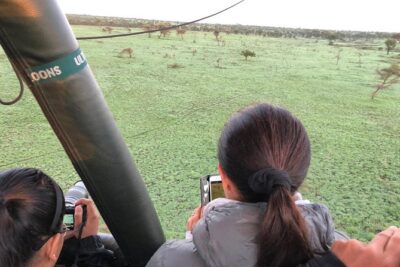
Balloon Safari & Bush Breakfast in Serengeti – Miracle Experience
Read our review →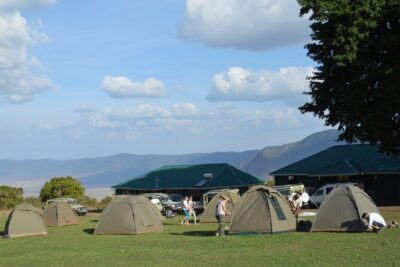
3 Days Serengeti & Ngorongoro Group Camping Safari
Read our review →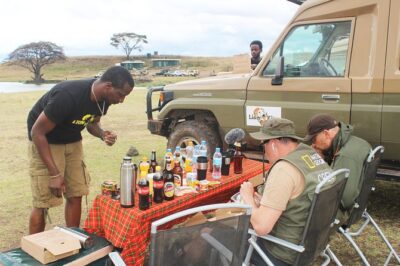
7-Day Premium Luxury Tanzania Safari All-Inclusive
Read our review →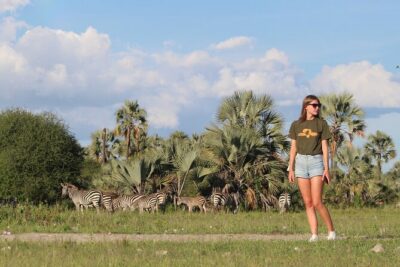
5-Day Highlights mid-Range Crater, Serengeti, Tarangire
Read our review →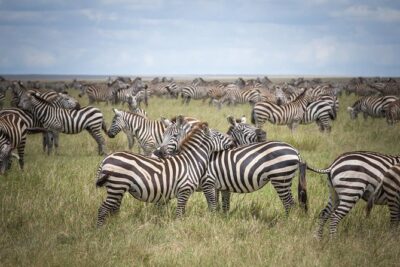
8 Days Great Wildebeest Calving Migration Safari from Arusha
Read our review →Browse the lists this tour appears in