
REVIEW · ARUSHA
2 days private lodge safari
Tarangire’s giant baobabs and elephant herds make a strong opening act, but the real prize comes the next morning: a descent into Ngorongoro Crater, where roughly 30,000 animals live around permanent water and grassland. In two long days, you get two very different wildlife settings.
I like the efficient route from Arusha, and I like that park fees, meals, fuel, a guide, and a custom 4×4 are included. Guides named Joel, Hariel, Heriel, Terry, Herman, Bryson, and Amani have received especially warm praise for animal knowledge, patience, smooth planning, and care around wildlife. The main caution is the product description: it mentions a group camping safari, private lodge accommodation, and a private vehicle. Confirm exactly what you are booking before paying $1,600 per person.
Key points at a glance
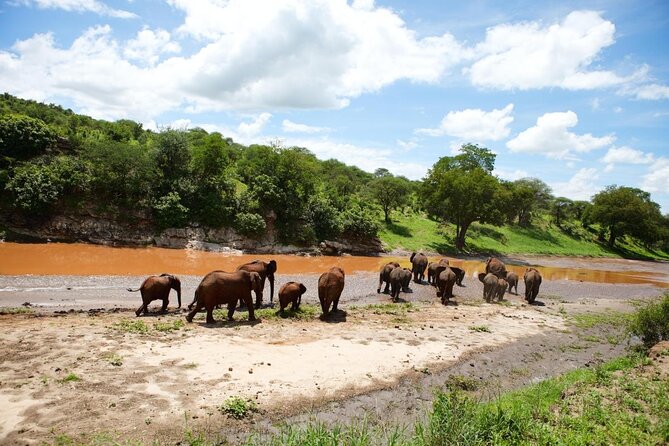
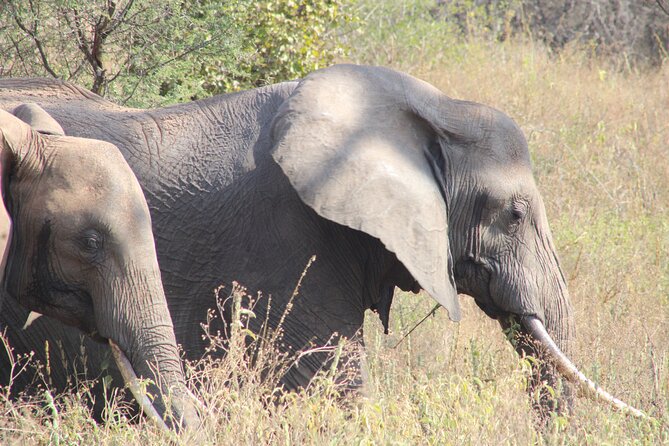
- Tarangire first: Morning game viewing follows the Tarangire River, with large elephant herds, baobab trees, acacia woodland, and wetland areas.
- Ngorongoro second: A 600-meter descent leads to a half-day drive in one of Tanzania’s most concentrated wildlife areas.
- Small group format: The maximum is seven people, which gives you more room than a large coach but may not feel like a fully private safari.
- Guide-led 4×4 travel: A custom-built safari vehicle, fuel, and an English-speaking driver-guide are included.
- Meals are covered: Breakfast, dinner, and two lunches are listed, so you have fewer daily costs to manage.
- Check the accommodation: The information refers to both camping equipment and lodge accommodation, so ask for the exact property and room setup.
Two parks, two very different wildlife settings
This trip works because Tarangire and Ngorongoro offer different kinds of safari scenery. Tarangire is open, dry, and shaped by the river and its broad swamps. Ngorongoro feels enclosed and dramatic, with steep crater walls and a concentrated mix of animals below.
You leave Arusha after breakfast on the first day and spend about nine hours on the Tarangire portion of the trip, including the drive and game viewing. The second day lasts about eight hours and includes the crater drive before the return to Arusha. That is a lot of time in a vehicle, but it is also a sensible way to fit two major parks into a short schedule.
I would choose this route if you have only two days and want a serious introduction to northern Tanzania. I would not choose it if you want slow mornings, long time at camp, or several chances to revisit the same park. This is a compact safari, not a leisurely one.
More Overnight Safaris in Arusha
- 4 Days Group Camping Safari
★ 5.0 · 1,101 reviews - 5 Days Group Camping Safari
★ 5.0 · 730 reviews - 3 Days Serengeti & Ngorongoro Group Camping Safari
★ 5.0 · 574 reviews
Tarangire National Park and its elephant country
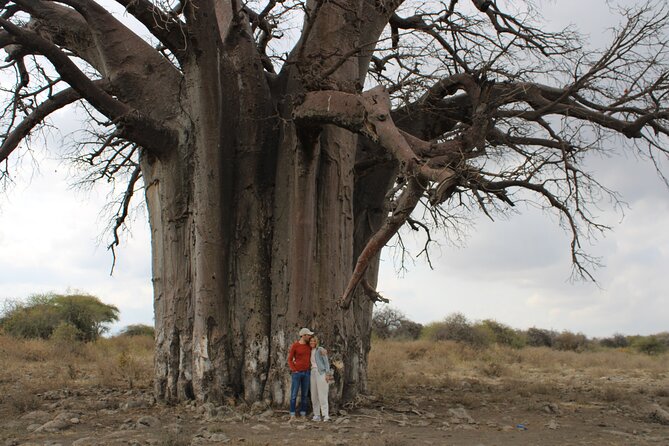
Tarangire is known for its elephants, and that reputation is central to the experience. The park runs along the Tarangire River, with low hills on the Great Rift Valley floor, acacia woodland, huge baobabs, and swamp areas toward the south.
The river and swamps draw animals during Tanzania’s dry season. That matters because wildlife viewing is never guaranteed, but dry-season conditions can make water sources especially important. If elephants are high on your wish list, Tarangire is a smart choice for a short safari.
The park also offers more than large mammals. The area is associated with the greater kudu, fringed-eared oryx, and ashy starling, three less commonly seen species. Your guide’s skill will matter here. A good guide does more than point out an elephant. You want someone who can explain animal behavior, identify birds, and read the setting around you.
The first day is described as a morning game drive after breakfast, followed by an overnight stay in the Mto wa Mbu area. The schedule also gives Tarangire about nine hours, so the full day includes road time and the park visit. Expect a long day, and treat the lunch stop as useful time to stretch, eat, and cool down.
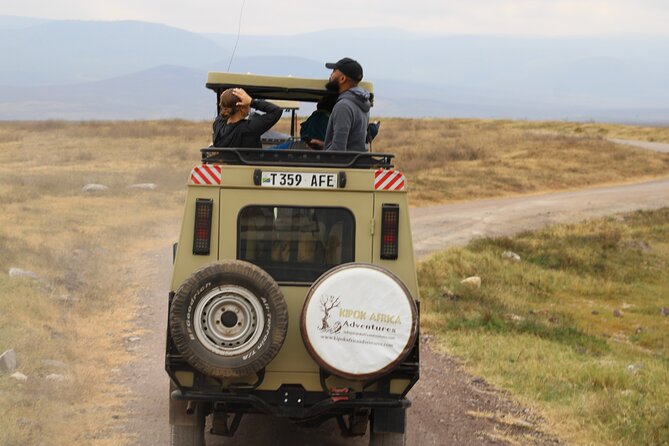
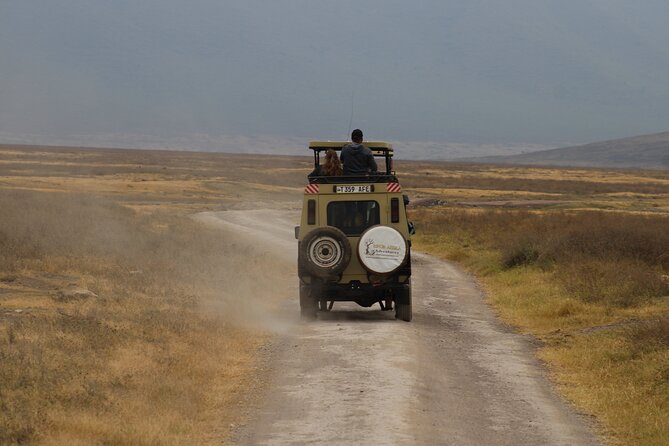
One practical strength is the vehicle. The safari uses a guide-driven, custom-built 4×4, with fuel included. That is far better suited to rough park roads than an ordinary transfer van. The available feedback also points to clean, comfortable vehicles, cooled water, well-timed breaks, and drivers who treated the animals with care. Those details can make a large difference after several hours on uneven roads.
Overnight near Mto wa Mbu
The overnight stop is in the Mto wa Mbu area, a useful position for reaching Ngorongoro the next morning. The accommodation details need careful checking. The tour is described in one place as a group camping safari with camping equipment and campsite fees included. Elsewhere, lodge accommodation is listed, and specific feedback refers to cozy tiny houses and an igloo-style campsite.
That sounds like the actual accommodation may vary by departure, package, or availability. Ask these questions before booking:
- Is the night in a tent, an igloo-style unit, a small lodge room, or another type of accommodation?
- Is the bathroom private or shared?
- Is bedding provided, or should you bring a sleeping bag?
- Is the price based on sharing with another person?
- Does the overnight stay include the dinner and breakfast listed?
The accommodation appears to have been a strong part of several departures, with comments about clean, comfortable units, good food, and views. Still, you should not assume that every departure uses the same property. The word private in the title also deserves clarification, since the trip has a maximum of seven people and the overview describes joining fellow passengers.
Entering Ngorongoro Crater at 600 meters below the rim
The second morning begins with breakfast before the vehicle descends about 600 meters into Ngorongoro Crater. This is the visual high point of the trip. From the crater rim, the enclosed floor gives you a sense of scale before the wildlife drive begins.
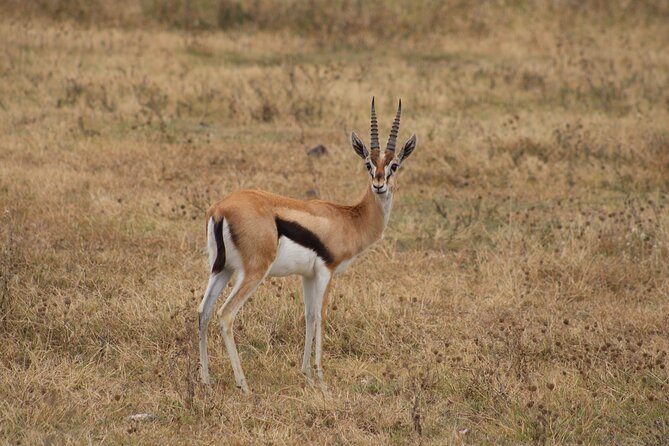
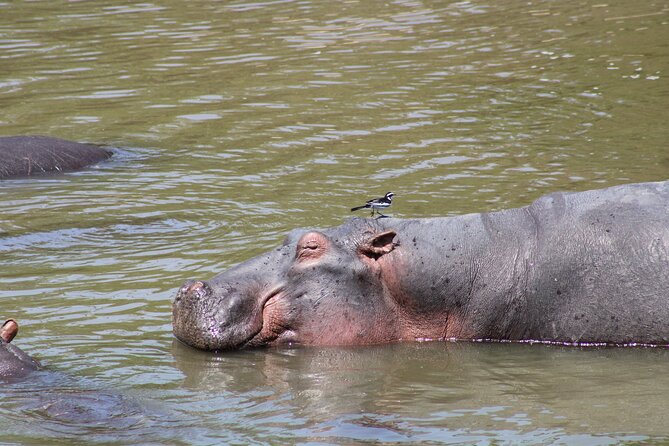
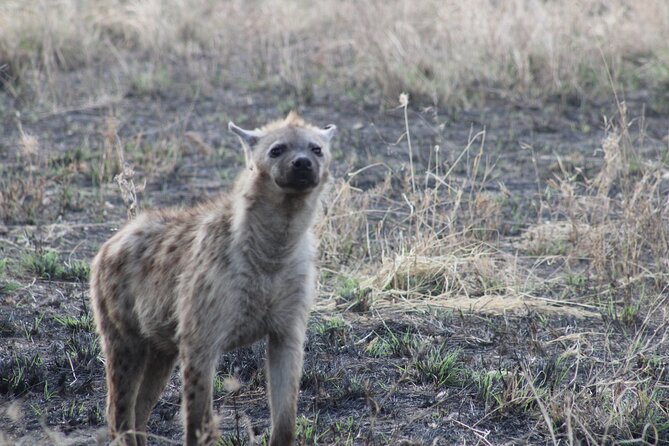
The crater is one of Africa’s most densely populated wildlife areas, with an estimated 30,000 animals. Its year-round water and grazing areas support wildebeest, zebra, buffalo, eland, warthog, hippopotamuses, and elephants. It also has a strong concentration of predators, including lions, hyenas, jackals, and cheetahs. The supplied description also points to black rhino, one of the rare animals you may hope to see.
A half-day drive is a good introduction, but it has limits. You can cover a great deal in a morning, yet you will not have the same time as someone on a longer safari. Animal sightings depend on conditions, movement, and luck. A guide can improve your chances and explain what you see, but no guide can promise a particular animal.
The crater can also be busy, especially at well-known sighting points. That is part of the trade-off for visiting such a concentrated wildlife area. You gain a strong chance of seeing many species in a small area, but you may share the experience with other vehicles.
The return to Arusha follows the crater visit. The second day is therefore another full day, not a gentle half-day outing. If you have a flight or another booked activity afterward, allow plenty of room. The tour states that it ends back at the meeting point in Arusha, but it does not provide a fixed arrival time.
More Overnight Safaris in Tanzania
- 5 Days Camping Tarangire, Serengeti & Ngorongoro crater & Visiting Maasai
★ 5.0 · 229 reviews - 2 Days Tarangire and Ngorongoro Group Camping Safari
★ 5.0 · 146 reviews - 6 Days Tanzania Budget Camping Safari
★ 5.0 · 145 reviews - Multi-Day Tanzania Odssey Safari from Arusha
★ 5.0 · 120 reviews
What the guide can change
On safari, the guide is not a minor detail. Your guide drives, spots animals, explains birds and plants, manages the day’s pace, and helps decide when to stop for lunch or a better view.
The names connected with strong feedback include Joel, Hariel, Heriel, Terry, Herman, and Bryson. Joel received particular praise for making the trip memorable and for explaining the parks well. Heriel and Hariel were noted for wildlife knowledge and attentive service, while Terry was praised for knowing both Tarangire and Ngorongoro and for identifying birds and animals.
You should not assume that one specific guide is guaranteed unless the operator confirms it in writing. Guide assignments can change. Still, these names give you useful examples of the service level to request. Ask for an English-speaking guide who can explain animal behavior, not only drive between sightings.
The feedback also points to practical touches that I value: being on time, listening to requests, taking sensible breaks, providing cooled water, and treating wildlife respectfully. Those are not flashy extras, but they shape the day.
Is $1,600 per person good value?
At $1,600 per person, this is not a budget safari. The value depends heavily on what private means and what accommodation you receive.
The price includes park fees, fuel, an English-speaking guide, a custom 4×4, all fees and taxes, breakfast, dinner, two lunches, and accommodation. It also says camping equipment and campsite fees are included, although the inclusion list separately says lodge accommodation. These costs add up quickly in Tanzania, particularly park access and transport.
The maximum group size of seven is another value point. You are not joining a large bus, and a small group usually makes it easier to hear the guide, ask questions, and find a comfortable position in the vehicle. But a seven-person group is still a group safari. If you expect a vehicle reserved only for your party, get written confirmation.
The price makes more sense if you receive a private 4×4, a comfortable lodge or small cabin, strong meals, and a guide assigned just to your party. It is harder to defend if you share the vehicle with other passengers and sleep at a basic campsite. That is why accommodation and group arrangements are the two things I would clarify first.
Food, packing, and the long road days
Breakfast, dinner, and two lunches are included. That removes much of the usual food-planning hassle, and the feedback points to tasty meals and well-managed lunch breaks.
Pack lightly but bring the basics for long drives: a refillable water bottle, sun protection, a hat, sturdy shoes, and a light layer for early morning. The supplied information confirms that cooled water may be available on some departures, but do not treat that as a guaranteed inclusion unless the operator confirms it.
A camera with extra battery power is sensible. You will spend hours outside the vehicle only at designated stops, so your best wildlife views will be from the 4×4. Keep your expectations practical. Roads can be bumpy, and the second day begins early enough to fit the crater visit and the drive back to Arusha.
Who should book this safari?
I would recommend this safari to you if you have only two days, want Tarangire and Ngorongoro in one trip, and prefer having transport, meals, park fees, and a guide arranged together. It also suits families and first-time safari visitors. A family with two children found the pace manageable, the food good, and the accommodation comfortable, though your own children should be happy with long vehicle days.
It is a good fit for someone who wants more personal attention than a large group tour provides but does not necessarily need a fully private luxury experience. The maximum of seven is a useful middle ground.
I would look elsewhere if you want a slow, high-end lodge holiday, a guaranteed private vehicle, or a detailed multi-day schedule with several parks. I would also hesitate if you dislike rough roads or long drives. Two days gives you variety, but it leaves little room for delay.
Booking checks before you pay
The free cancellation policy allows you to cancel up to 24 hours before the start time for a full refund. Changes made within 24 hours are not accepted, and a cancellation caused by failure to reach the minimum group size should lead to an alternative date, another experience, or a full refund.
At booking, confirm the exact pickup point in Arusha, the accommodation type, the group size for your date, and whether the vehicle is private to your party. Also confirm whether the listed two lunches are both included on your departure, since the inclusion wording is repetitive.
The tour requires a Tanzania visa, travel insurance, and money for tips and personal expenses. International flights are not included. Most people can participate, and the meeting information says the activity ends back at the starting point in Arusha.
Should you book it?
Book this safari if the operator confirms that you are receiving the accommodation and vehicle arrangement you want. Tarangire’s elephants and baobabs give you a strong first day, while Ngorongoro offers a concentrated second-day wildlife experience that is hard to match in such a short trip.
The trip earns its appeal from the route, the small maximum group, included costs, and the chance of having a strong guide such as Joel, Hariel, Heriel, Terry, Herman, or Bryson. The $1,600 price is reasonable only when the private or lodge elements are clear. If the answer is actually shared camping, compare the cost with other small-group safaris before committing.
FAQ
How long is the safari?
The experience lasts approximately two days. The Tarangire portion is listed at about nine hours, and the Ngorongoro portion at about eight hours.
Where does the safari start?
It starts in Arusha, Tanzania, with pickup offered. The activity ends back at the meeting point in Arusha.
Which parks does the safari visit?
The route visits Tarangire National Park on the first day and Ngorongoro Crater on the second day.
What animals might I see?
Tarangire is known for elephants and may also offer sightings of greater kudu, fringed-eared oryx, and ashy starling. Ngorongoro supports wildebeest, zebra, buffalo, eland, warthog, hippopotamuses, elephants, lions, hyenas, jackals, cheetahs, and black rhino.
Is accommodation included?
Yes, accommodation is listed as included. However, the details refer both to lodge accommodation and camping equipment with campsite fees, so you should confirm the exact overnight arrangement before booking.
How many people can join?
The activity has a maximum of seven travelers. Confirm whether your party will have a private vehicle or share the vehicle with other people.
Are meals included?
Yes. Breakfast, dinner, and two lunches are listed as included.
What is not included?
International flights, travel insurance, Tanzania visa costs, tips, laundry, communication, and personal expenses are not included.
Can I cancel for a full refund?
You can cancel up to 24 hours before the experience starts for a full refund. Cancellations or changes made less than 24 hours before the start time are not accepted for a refund.
More 2-Day Experiences in Arusha
- 2 Days Group Joining Camping Safari Tarangire Park and Ngorongoro Crater
★ 4.5 · 28 reviews - 2 days Mid Range Safari in Ngorongoro and Tarangire Big 5 Parks
★ 5.0 · 27 reviews - 7 Day Kilimanjaro Climb Lemosho Route & 2 Day Safari
★ 5.0 · 16 reviews - 2 Day Safari Tarangire and Ngorongoro Crater
★ 5.0 · 16 reviews
Just added around Arusha
- 6 days Tanzania budget safari★ 5.0 · 65 reviews
- 7 days great migration safari★ 5.0 · 77 reviews
- 5 days safari, hiking & culture (Serengeti & kilimanjaro)★ 5.0 · 27 reviews
- serengeti, ngorongoro & tarangire 5days private tour★ 5.0 · 77 reviews
- 5-Day Mid-Range Safari in Tanzania★ 5.0 · 33 reviews
- 4 days safari★ 5.0 · 34 reviews
- serengeti & ngorongoro 3 days private tour★ 5.0 · 15 reviews
- serengeti, ngorongoro & tarangire 4 days private tour★ 5.0 · 18 reviews
Arusha Safaris, compared.
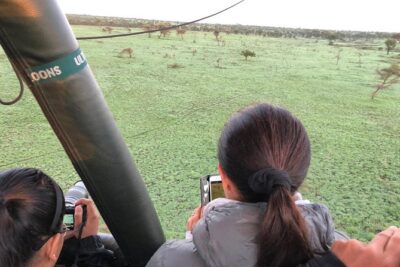
Balloon Safari & Bush Breakfast in Serengeti – Miracle Experience
Read our review →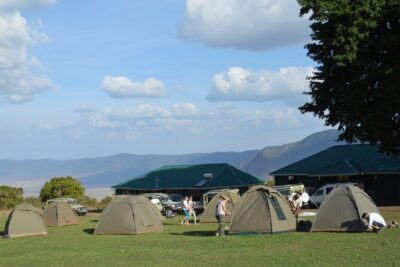
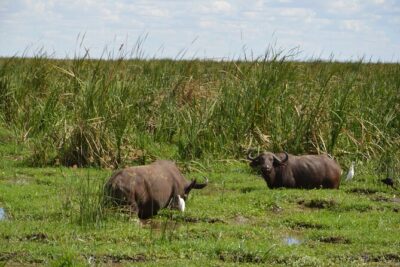
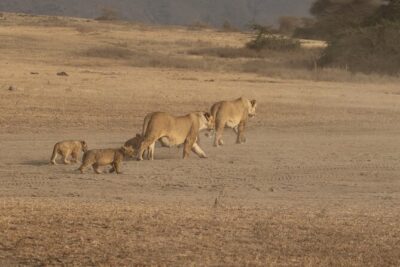
3 Days Serengeti & Ngorongoro Group Camping Safari
Read our review →
7-Day Premium Luxury Tanzania Safari All-Inclusive
Read our review →
5-Day Highlights mid-Range Crater, Serengeti, Tarangire
Read our review →
8 Days Great Wildebeest Calving Migration Safari from Arusha
Read our review →Browse the lists this tour appears in