
REVIEW · ARUSHA
1 Day Olpopongi Real Maasai Cultural adventurous Trip | BURIGI CHATO SAFARIS LTD
Olpopongi gives you more than a quick photo stop. You enter a Maasai village, meet local people, see a traditional welcome dance, visit a small museum, and learn how daily life is organized. The most engaging parts are the fire-making demonstration and the chance to step inside a Maasai boma rather than only watching a performance from a distance.
I like the views along the West Kilimanjaro road, where clear weather may reveal both Mount Kilimanjaro and Mount Meru. I also like the human scale of the visit: dancing, village walks, clothing, beads, children, and conversation make this more personal than a standard sightseeing stop. The main concern is the itinerary itself. It is sold as a roughly nine-hour trip, yet the description mentions checking into a hut for the night, so you should confirm whether an overnight stay is included.
What makes this Maasai visit worth considering
- Traditional welcome: Begin at Olpopongi with Maasai singing and dancing rather than a formal museum entrance.
- Village-based visit: Walk through the settlement and enter a Maasai boma to see how the homes are arranged.
- Small cultural museum: Learn about Maasai social organization, tools, and local history in a focused setting.
- Hands-on moments: Fire making, dancing, clothing, beads, and time with local children are central to the experience.
- Scenic drive: The route from the Arusha and Moshi area crosses West Kilimanjaro, with possible wildlife sightings and mountain views.
- Private transport package: The price includes a private car, guide, cook, lunch, and taxes, but tipping and personal costs are extra.
Reaching Olpopongi from Arusha or Moshi
The meeting point is Arusha Tourist Inn on Sokoine Road, with pickup listed for 8:30 in the morning. The drive toward Olpopongi takes about two hours from Moshi, and the village is listed as 74 kilometers from Moshi. The supplied route description begins with Moshi, so if you are staying in Arusha, confirm your exact pickup time and driving plan before paying.
The road is part of the appeal. You leave the city behind and pass through the West Kilimanjaro outback. Depending on the season, you might see zebras or elephants along the way. These sightings are incidental, not the main purpose of the outing, so you should not book this as a substitute for a wildlife safari.
Clear skies may bring views of Mount Kilimanjaro and Mount Meru. That depends on weather and visibility, but the chance adds real value to a long drive. Keep your camera ready, though I would treat mountain views as a bonus rather than a promise.
Transport is listed as a private car, with the guide, cook, and wages included. That is useful for a cultural trip in a rural area, since you are not left to arrange several separate transfers. The experience is also listed near public transportation, although your package includes pickup and return to the meeting point.
A few more safaris around Arusha worth a look
- Ngorongoro Crater Day Trip – Shared Group Safari
★ 5.0 · 16 reviews - Amazing Chemka (Kikuletwa) Hot Spring Day Trip | BURIGI CHATO SAFARIS CO LTD
★ 5.0 · 12 reviews - From Zanzibar: Mikumi Safari Day Trip with Flights and Meal
★ 4.7 · 1,470 reviews
A welcome with song, dance, and ceremony
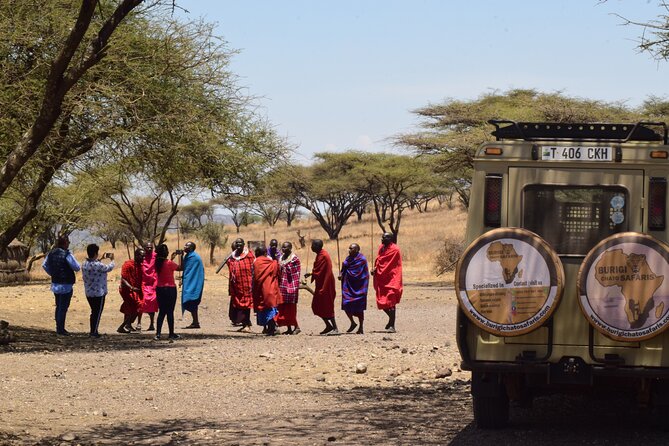
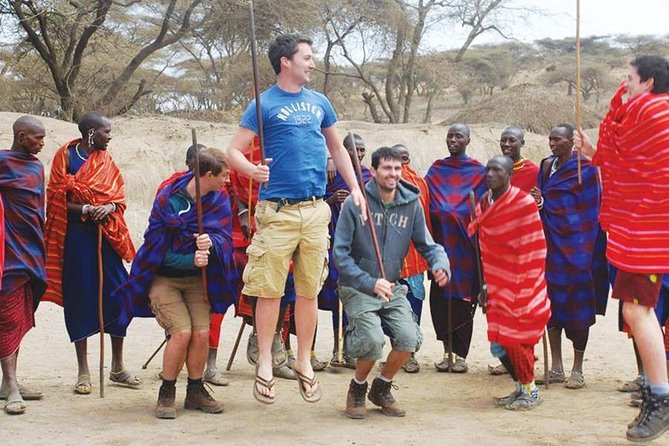
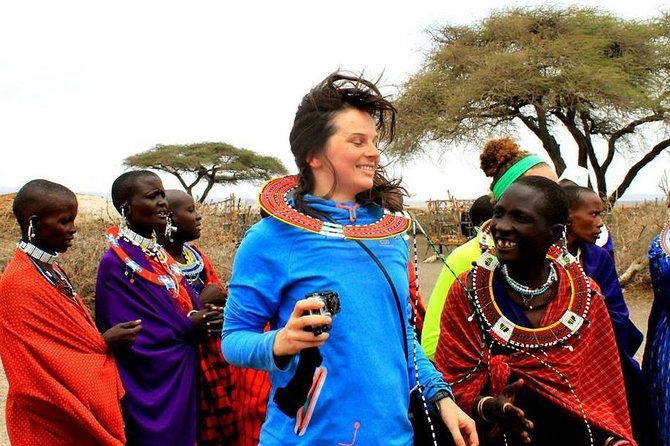
At Olpopongi, the Maasai welcome you with a traditional song and dance. This is likely to be one of the most memorable moments, especially if you are willing to take part rather than only watch.
The dancing often includes energetic jumping, and the activity descriptions and personal accounts place strong emphasis on joining the Maasai in the movement. You should expect a participatory encounter, not a silent performance. Wear comfortable clothing and shoes, and be ready for a warm, active start to the day.
A birthday celebration became part of one visit, with the guest dancing alongside Maasai people. That detail points to one strength of the experience: there is room for a shared moment rather than a rigid sequence of sightseeing stops. Still, cultural performances can feel staged when they are arranged for visitors. The value comes from listening, asking respectful questions, and treating the dance as an introduction to the community, not as a show created only for photographs.
Walking through the village and Maasai boma
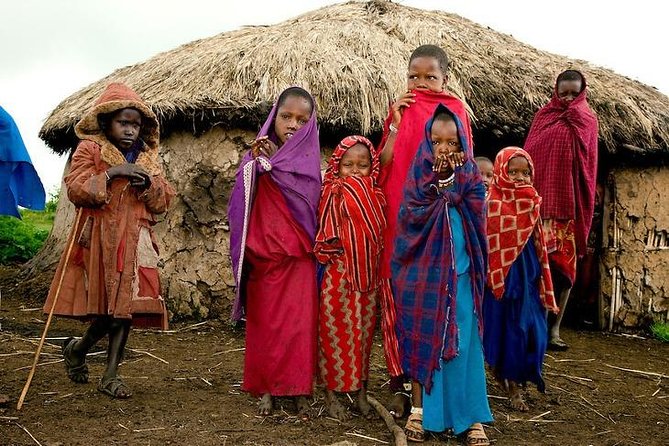
After the welcome, you walk around the village and are shown to a hut or boma. A Maasai boma is a traditional homestead, and staying or visiting inside one gives you a clearer sense of domestic life than a roadside cultural display.
You may see how homes are made and arranged, and you can ask about family life, children, work, and community customs. Several aspects of the visit are repeatedly highlighted: entering Maasai houses, seeing how children are treated, trying on clothing, and taking photographs with beadwork. These details make the visit accessible even if you have little prior knowledge of Maasai culture.
The presentation should be taken as an introduction, not a complete picture of every Maasai community. Maasai life differs by place and family, and a short visit cannot explain every modern change, challenge, or tradition. I would value this tour most as a respectful first meeting, followed by further reading or a longer cultural stay if you want greater context.
The supplied information says that Maasai people speak Maa, a Nilotic language, and that the Samburu of Kenya are their closest cultural and linguistic relatives. The Maasai are found in both Tanzania and Kenya, with a similar number living in Tanzania. That wider regional context helps you avoid treating Olpopongi as an isolated display. You are seeing one community within a much larger East African culture.
The museum and the story behind the customs
The small museum is a useful pause between the outdoor activities. Here, your guide explains Maasai history, social organization, and tools. This matters because the dance, clothing, homes, and fire-making demonstrations make more sense when you know how they connect to community life.
The museum is described as precious and little, which tells you what to expect: this is not a large institution with extensive exhibits. Its value is in the direct explanation and the chance to connect objects with the village around you. Ask your guide to explain anything you do not understand, particularly the purpose of tools and the organization of the boma.
A guide is included, and one account specifically praises the guide’s explanation of Maasai history. No guide name is provided in the tour details, so you cannot request a named guide based on the information available. The cook is also included, which suggests that meals are handled within the trip rather than left to chance on the road.
Same country, a different kind of drive:
- Balloon Safari & Bush Breakfast in Serengeti – Miracle Experience
★ 5.0 · 1,646 reviews - 4 Days Group Camping Safari
★ 5.0 · 1,101 reviews - 5 Days Group Camping Safari
★ 5.0 · 730 reviews - 3 Days Serengeti & Ngorongoro Group Camping Safari
★ 5.0 · 574 reviews
Fire making, clothing, beads, and everyday skills
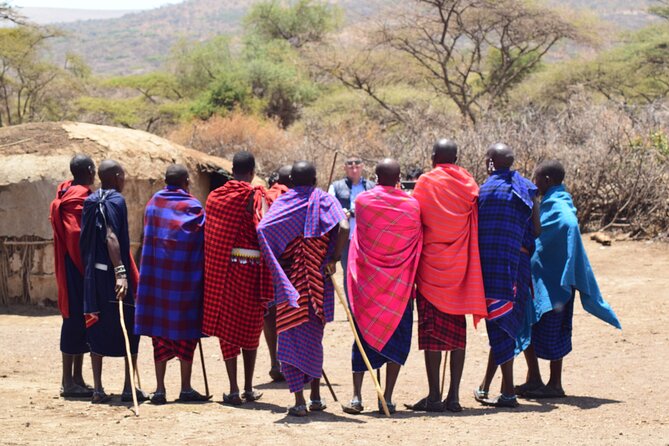
Fire making is one of the most distinctive parts of the experience. You learn how fire is made locally, a practical skill that turns a cultural visit into something you can watch and understand physically. It is more memorable than simply hearing a talk about traditional life.
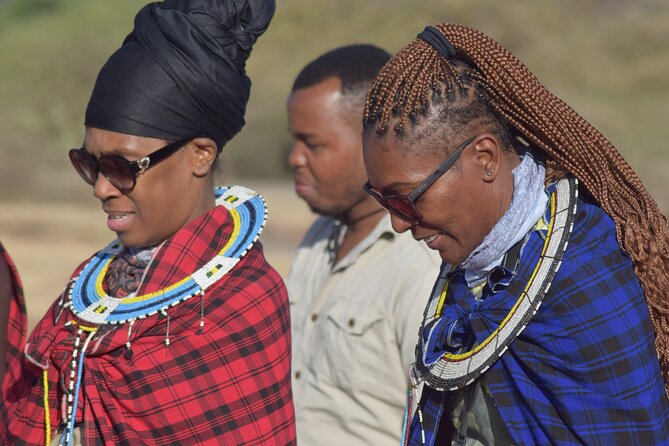
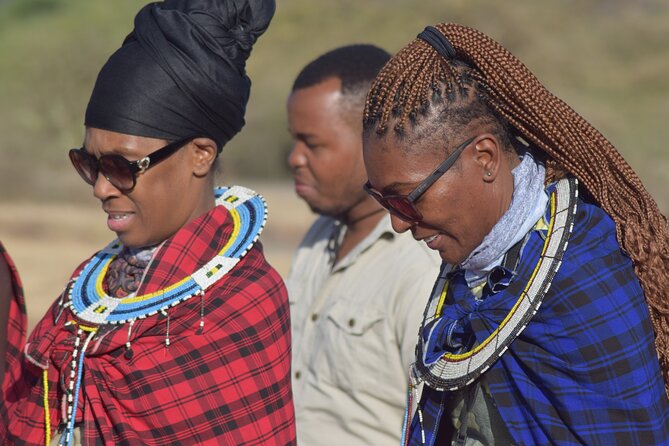
The activity may also include trying on Maasai clothing and handling or wearing beadwork for photographs. If you take pictures, ask before photographing individuals, especially children. The visit includes time with local children, but you should keep the interaction respectful and follow the guide’s lead.
Dancing and fire making receive the strongest attention in the available accounts, but the wider appeal is the mixture of activities. You are not spending the full day in a vehicle or inside a museum. You move, listen, watch, and take part. That variety helps justify the long trip from Arusha.
At the same time, do not expect every part of the day to feel polished or tightly timed. A village visit depends on people, weather, and the pace of conversation. That can be a benefit if you want an unhurried cultural meeting, but it may frustrate you if you prefer a minute-by-minute schedule.
Lunch, timing, and the overnight question
Lunch is included, along with all fees and taxes. The cook is listed in the package, and one account specifically describes the food as good. The information does not give a menu or dietary details, so tell the operator about dietary needs before departure rather than assuming special meals will be available.
The experience is advertised as about nine hours, with an 8:30 a.m. start and a return to the Arusha meeting point. Another itinerary line describes six hours and says you check into your hut for the night. Those details do not match a straightforward day trip.
This is the most important practical issue to settle. Ask these questions before booking:
- Is the experience completed in one day?
- Is a hut included, and if so, is it for a daytime visit or an overnight stay?
- Does the nine-hour duration include the drive back to Arusha?
- Is dinner or breakfast included if an overnight is planned?
Do not assume that a hut night is part of the $380 price until the operator confirms it in writing. The title describes a one-day trip, while the detailed wording refers to staying overnight.
Is $380 a fair price?
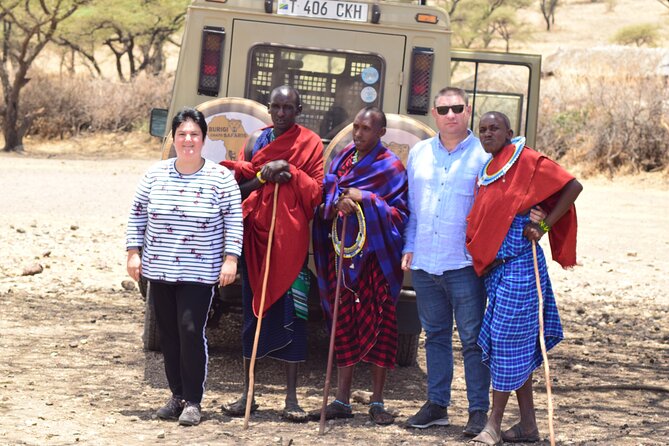
At $380 per person, this is not a cheap village excursion. The value depends heavily on what the price covers and how many people are in your vehicle. Included items are lunch, taxes and other fees, a private car, guide, cook, and wages. Tipping, souvenirs, insurance, visa costs, medical repatriation, and other personal expenses are excluded.
The private car is the strongest reason the price may work for you. You are paying for a long return drive, staff, food, and a planned cultural visit rather than only entrance to a village. If you are traveling alone or with one companion, the per-person cost is easier to feel. If several people share the private vehicle, the value improves.
The listed maximum group size is 198 people, which is unusually high for a package described as using a private car. That may refer to the total activity capacity rather than the size of your vehicle, but you should confirm your actual group size. A small group will usually give you more time for questions and a less crowded village visit.
One negative account in the supplied material concerns poor organization and unacceptable lodges on a multi-day luxury tour. It does not clearly describe this nine-hour Olpopongi activity, so I would not use it as a direct judgment of the village visit. Still, it reinforces the need to confirm the exact vehicle, schedule, accommodation, and service level before booking.
Who will enjoy Olpopongi most?
I would recommend this for you if you want cultural contact alongside a Tanzania safari, especially if you are already based in Arusha and have a free day. It suits people who enjoy meeting local communities, learning through demonstration, and joining in a dance rather than only photographing scenery.
Families may appreciate the hands-on activities and the chance to see village life. The information says most people can participate, and no special fitness requirement is listed. The dancing involves movement, though, so anyone with mobility concerns should ask the operator for more detail before booking.
This is less suitable if you want a quiet museum visit, a guaranteed wildlife drive, or a luxury lodge experience. It is also not the right choice if you dislike long road transfers or feel uncomfortable with arranged cultural performances.
The strongest version of the day comes when you remain curious and respectful. Ask questions about the museum objects, listen to the guide, request permission for photographs, and see the boma as a living home rather than a backdrop.
Booking details to check before departure
Confirmation is issued at booking, and free cancellation is available up to 24 hours before the start time. A cancellation inside 24 hours is not refunded, and changes within that period are not accepted. Poor weather may lead to a different date or a full refund.
The activity ends back at the meeting point. Pickup is offered, but the listed starting location is Arusha Tourist Inn, so provide your accommodation details and confirm the pickup arrangement. The experience provider is named Tanzania Serengeti Safaris, while the tour title identifies Burigi Chato Safaris Ltd. I would confirm the operating company and contact person so there is no confusion on the morning of departure.
Should you book this Maasai cultural day?
Book it if your priority is direct cultural contact: dancing with Maasai people, visiting a boma, learning local fire making, and seeing a village museum. The scenic West Kilimanjaro drive and possible views of Kilimanjaro and Meru add a pleasant setting.
I would hold off until the provider clarifies the nine-hour schedule, the six-hour itinerary reference, the hut wording, and your actual group size. At $380, those are not minor details. Once the overnight question and transport plan are clear, this looks like a worthwhile add-on for someone who wants a human encounter rather than another standard safari drive.
FAQ
Where does the tour start?
The listed meeting point is Arusha Tourist Inn on Sokoine Road in Arusha, Tanzania. Pickup is offered, and the activity ends back at the meeting point.
What time does the experience start?
The listed start time is 8:30 a.m.
How long does the tour last?
The tour summary gives an approximate duration of nine hours. Another itinerary section refers to six hours and includes wording about checking into a hut for the night, so confirm the final schedule with the operator.
Is lunch included?
Yes. Lunch is included, along with all fees and taxes. The cook is also listed as part of the package.
What else is included in the price?
The package includes a private car, wages, a guide, a cook, lunch, and all fees and taxes.
Are flights, insurance, and tips included?
No. International and domestic flights, guide and cook tips, travel insurance, medical repatriation, visa fees, souvenirs, and personal expenses are excluded.
Can most people take part?
The activity information says most people can participate. It does not provide detailed accessibility information, so contact the operator if you have specific mobility or medical needs.
What is the cancellation policy?
You can cancel at least 24 hours before the start time for a full refund. Cancellations and changes made within 24 hours are not refunded. If poor weather causes the operator to cancel the experience, you are offered another date or a full refund.
Just added around Arusha
- 6 days Tanzania budget safari★ 5.0 · 65 reviews
- 7 days great migration safari★ 5.0 · 77 reviews
- serengeti, ngorongoro & tarangire 5days private tour★ 5.0 · 77 reviews
- 5 days safari, hiking & culture (Serengeti & kilimanjaro)★ 5.0 · 27 reviews
- 5-Day Mid-Range Safari in Tanzania★ 5.0 · 33 reviews
- 4 days safari★ 5.0 · 34 reviews
- serengeti & ngorongoro 3 days private tour★ 5.0 · 15 reviews
- Serengeti & Ngorongoro fly in safari★ 5.0 · 76 reviews
Arusha Safaris, compared.
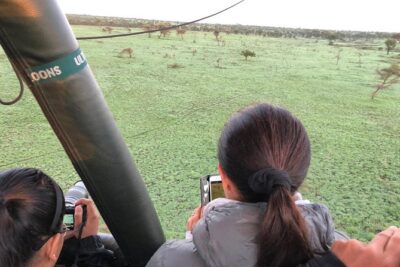
Balloon Safari & Bush Breakfast in Serengeti – Miracle Experience
Read our review →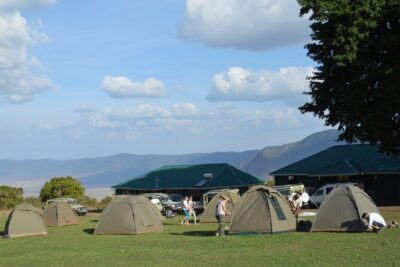
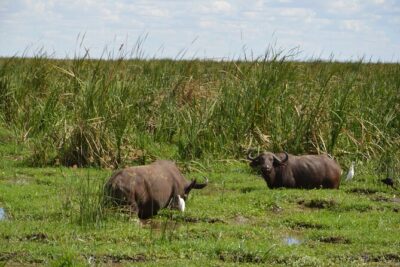
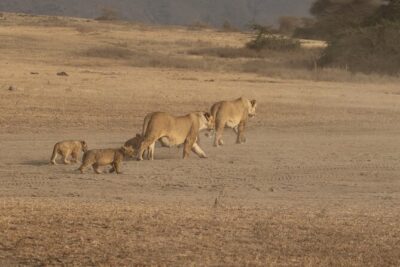
3 Days Serengeti & Ngorongoro Group Camping Safari
Read our review →
7-Day Premium Luxury Tanzania Safari All-Inclusive
Read our review →
5-Day Highlights mid-Range Crater, Serengeti, Tarangire
Read our review →
8 Days Great Wildebeest Calving Migration Safari from Arusha
Read our review →Browse the lists this tour appears in